A reliable supplier must prove that the stone you approve is the stone you will receive, then document how it will be measured, delivered, inspected and replaced if problems arise. By checking the actual lot, testing suitability for its intended use and comparing complete quotations, you can reduce disputes over shade, thickness, breakage, wastage and installation responsibility.
Key takeaways
- Inspect the actual slabs, not only a showroom sample.
- Record the stone variety, origin, finish, thickness, treatment, and lot number.
- Compare quotes by usable quantity after cutting and wastage.
- Put slab matching, delivery, inspection, and warranty duties in writing.
Start With the Yard, the Stone Identity and the Actual Lot
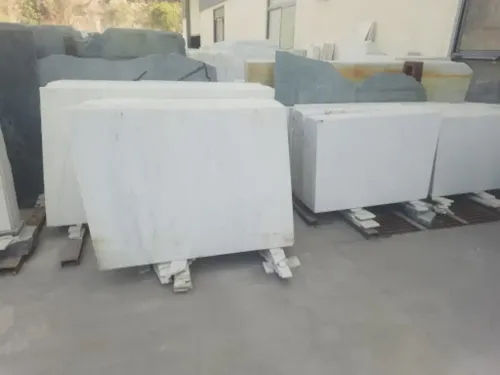
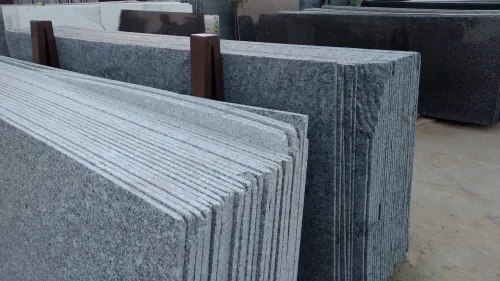
A showroom sample proves only what is on the sample board. During a supplier yard inspection, ask the natural stone supplier to show the actual slabs reserved for your project and identify the stone variety, quarry or source originisation, finish, thickness, calibration, resin treatment and lot number.
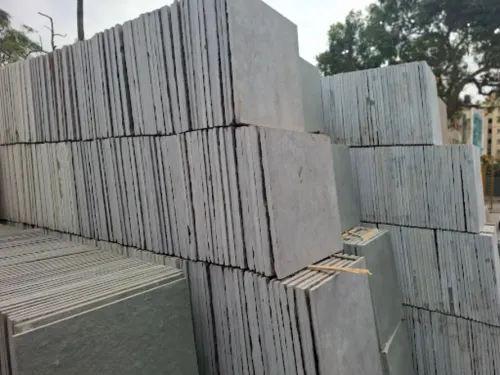
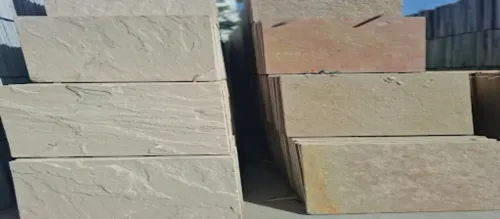
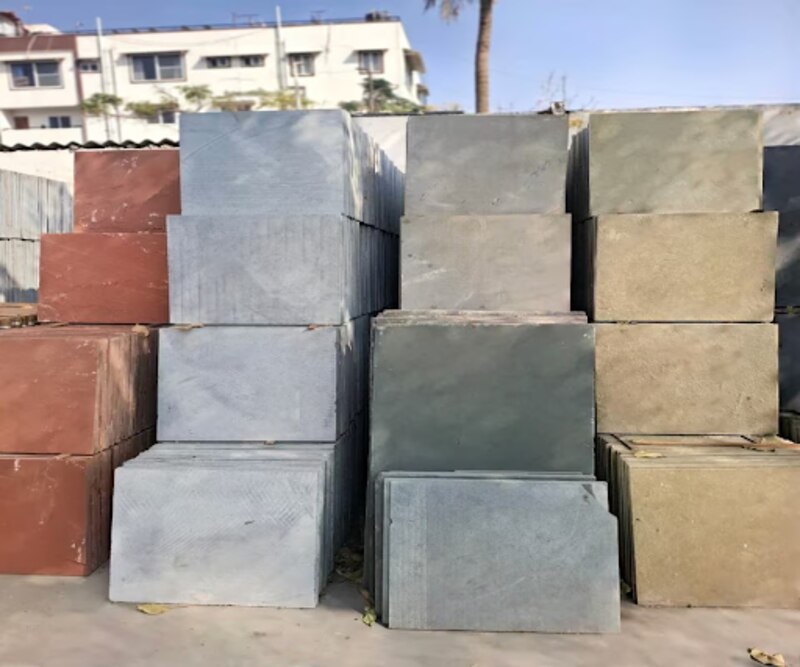
Kota stone, for example, is limestone, not a performance grade; its absorption, colour and veining can change between lots.
Record these details before approving the material:
- Exact stone name and stated quarry or source
- Lot, batch or individual slab numbers
- Slab photographs showing the full face and identification marks
- Finished surface, thickness and calibration
- Resin filling, mesh backing, patched areas or other repairs
- Quantity reserved and the date of your inspection
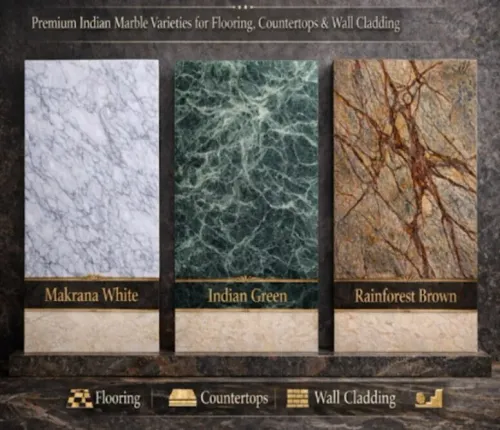
Compare the photographs and written details with the slabs delivered. Do not accept a substitute labelled only “marble,” “granite” or “Kota stone,” because those names do not establish the same appearance or source.
Inspect the complete proposed lot for cracks, open fissures, pinholes, edge damage, warping, uneven thickness and visible repairs. Resin and mesh are not automatically defects, but the supplier must disclose them because they affect cutting, adhesive choice, repairability and exposed exterior use.
Your order should name the approved lot or slab numbers and distinguish accepted natural shade variation from wrong dimensions, unstable repairs or damaged pieces. Ask who makes the final selection decision and have that person sign the approval.
Inspect Full Slabs Before You Approve the Design
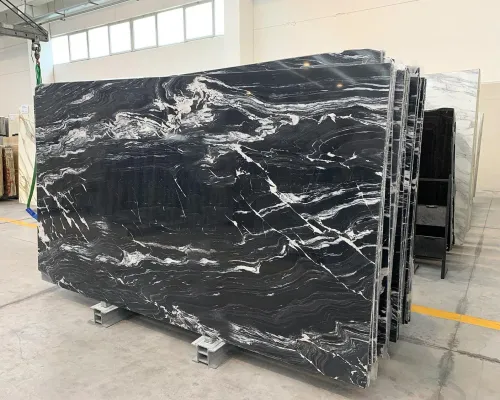
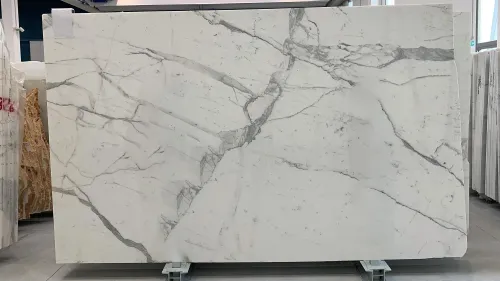
A small sample proves the stone’s identity, not the final appearance. Approve the design only after viewing the proposed full slabs from the actual lot under neutral light. Expect differences in background colour, veining, mineral flecks and shade; two slabs from the same quarry can still look noticeably different.
Use this slab inspection checklist before signing off:
- Examine both faces and every edge for cracks, open veins, open fissures, pinholes, chipped corners, patched areas and unstable repairs.
- Look for resin-filled fissures, excessive resin filling, mesh backing and polished-over damage. These treatments are not automatically defects, but the dealer must disclose them because they affect cutting, adhesive choice, repairs and exposed exterior use.
- Check the slab for warping, uneven thickness, inconsistent finish and shade changes. Measure thickness at several points if the stone will receive a precise edge profile.
- Photograph each approved slab and record its slab number, position in the layout, visible repairs and accepted natural variation.
Strongly veined marble or quartzite needs more than individual approval. Require a dry layout or full-size mock-up showing slab sequence, vein direction, joints, edge pieces and bookmatched faces; otherwise a visually attractive pair can produce a badly matched joint.
Write the accepted variation and rejected defects separately in the order. State that cracks, unstable repairs, wrong dimensions and undisclosed treatments are grounds for rejection, while colour movement and natural veining are accepted only within the photographed, approved lot.
Match the Stone to the Application, Not Just the Appearance
A stone that looks ideal in a showroom can fail under foot, weather, heat or daily abrasion. Ask for test results for the intended use, not a generic quality certificate: water absorption and bulk specific gravity, compressive strength, flexural strength and abrasion resistance test data.
Relevant dimension-stone methods include ASTM C97, C170, C880, C241 and C241M.
| Application | Checks to request | What failure looks like |
|---|---|---|
| Floors | Abrasion resistance, water absorption, compressive strength and finish-specific slip data | Worn traffic paths, staining, cracking or unsafe walking |
| Stairs | Flexural strength, compressive strength, thickness, edge condition and wet slip performance | Broken nosings, deflection or falls |
| Façades | Water absorption, flexural strength, anchoring design and freeze-weather suitability where relevant | Water entry, bowing, panel cracking or detachment |
| Wet areas | Wet slip test, water absorption, surface texture and resistance to cleaning chemicals | Slippery footing, staining or surface degradation |
| Countertops | Water absorption, flexural strength, chemical and heat resistance, plus support and span details | Ring marks, etching, staining or breakage |
For Bengaluru entrances, bathrooms, balconies and pool surrounds, request a documented ANSI A326.3 wet slip test for the proposed flooring system. Do not accept “polished” as a safety specification; a highly polished surface can become slippery when wet.
Low water absorption alone proves little. A stone can still fail through poor abrasion resistance, weak flexural strength, acid reaction, slippery finish or inadequate thickness for its span and support. Disclosure of resin filling and mesh backing also matters because these treatments affect cutting, adhesives, repairs and exposed exterior use.
Compare Quotations Using the Same Usable Quantity
Compare the total cost for the same usable area, not the lowest rate printed on the quotation. Convert square metres to square feet using 1 square metre = 10.764 square feet, then separate stone required for the design from cutting waste, unusable defects and spare pieces.
Ask each supplier for a written quotation stating:
- Net area required and the allowance for cutting, matching veins, openings and breakage
- Number of slabs or tiles, their dimensions, delivered thickness and permitted thickness tolerance
- Stone rate, polishing or finishing charges, edge work, packing, loading, freight, unloading, GST and other taxes
- Delivery point, payment schedule, validity period, inspection period and cancellation or replacement terms
A blanket 10% wastage allowance does not produce a fair comparison for every project. A strongly veined stone with bookmatching and many openings may need more material than a uniform tile, while usable off-cuts can reduce the final requirement. Require a slab-layout or nesting plan before accepting the quantity.
| Quotation basis | What to compare | Risk if ignored |
|---|---|---|
| Square feet or square metres | Convert both to one unit | Rates appear falsely different |
| Net quantity or quantity plus allowance | Separate usable area from waste | You pay for hidden over-ordering |
| Per slab, per piece or per square foot | Check slab sizes and count | A cheaper rate may cover smaller slabs |
| Material-only or delivered price | Add fabrication, freight, tax and unloading | The final invoice exceeds the quote |
| Cash price or credit terms | Compare payment dates and validity | A discount may conceal tighter terms |
Confirm that the quoted slabs match the approved stone name, finish, lot reference and thickness before comparing totals.
Put Delivery, Matching Slabs and Warranty Duties in Writing
A verbal promise of “matching slabs” is useless after cutting begins. Put the approved stone, commercial terms and responsibility for damage in the purchase order, including the lot or slab numbers and the inspection deadline.
1. Define the supply: stone name, origin, lot numbers, finish, delivered thickness, sizes, permitted dimensional tolerance, edge profile, surface treatment, quantity, taxes and delivery point. Record whether later phases come from the same lot; state what happens after a lot shortage or unavoidable shade variation.
2. Assign every handling duty: unloading responsibility, secure supported storage, transport between phases, slab breakage in transit, cutting, polishing, installation and removal of waste. Name the party paying for replacement and repeated transport when a piece arrives damaged.
3. Write the rejection process. Give the inspection period, photographs or written notice required, collection date, replacement deadline and refund terms. Separate accepted natural variation in colour, veining and mineral flecks from defects such as cracks, unstable repairs, open fissures, wrong dimensions or excessive warping.
4. For strongly veined stone, attach the dry-layout or mock-up approval showing slab sequence, vein direction, joints, edge pieces and bookmatched faces. Do not let cutting proceed on a showroom sample alone.
5. Separate the material warranty from the installation warranty. State who covers staining, etching, cracking from structural movement, poor substrate preparation, incompatible cleaners and ordinary wear, and list each exclusion clearly.
If you are ordering from Nakoda Marble, use these written controls to confirm what the quotation promises rather than relying on an informal site discussion.
Related products
 | Natural Stone Nakoda Marble is a leading natural stone supplier in Bangalore, offering a wide range of premium stones including marble, granite, slate, sandstone,... View product → |
 | natural stone focuses on its natural strength, earthy appeal, and versatility for high-traffic areas, with key export considerations including durability, finish... View product → |
Frequently asked questions
What should you check during a natural stone supplier yard inspection?
Ask to see the slabs reserved for your project and record the stone variety, quarry or source origin, finish, thickness, calibration, resin treatment, and lot number.
Why should you inspect full slabs before approving a design?
Full slabs reveal colour variation, veining, patches, cracks, resin areas, and book-matching limits that a small sample cannot show.
How do you compare quotations from natural stone suppliers?
Compare the same stone grade, thickness, finish, slab or tile size, usable quantity, cutting allowance, wastage, fabrication, transport, installation, and taxes.
What should a stone supply agreement include?
Write down the approved stone and lot, matching requirements, slab inspection process, delivery schedule, breakage responsibility, replacement terms, and warranty duties.
Related products
 | Marble Marble Nakoda Marble is a trusted supplier of high-quality natural marble in Bangalore, offering a wide range of premium marble stones for residential,... |
 | Granite Granite Nakoda Marble is a leading granite supplier in Bangalore, offering premium-quality natural granite for residential, commercial, and industrial... |