Granite remains one of the most preferred natural stones for residential and commercial construction because of its durability, timeless appearance, and ability to withstand daily wear. Whether you are building a new home, renovating an existing space, or designing a commercial property, selecting the right granite store plays a significant role in achieving both aesthetic appeal and long-term performance.
Many buyers focus only on the color or price of granite, but several other factors determine whether the stone will continue to perform well for decades. Understanding these factors helps homeowners, architects, and builders make informed decisions before making a purchase.
Understand the Purpose Before Selecting Granite
Different areas of a property require different types of granite.
For example:
- Kitchen countertops require stain-resistant and durable granite.
- Staircases should have excellent strength and slip resistance.
- Flooring should provide consistent thickness and attractive patterns.
- Exterior cladding should withstand changing weather conditions.
Choosing granite based solely on appearance may lead to maintenance challenges later.
Check the Quality of Every Slab
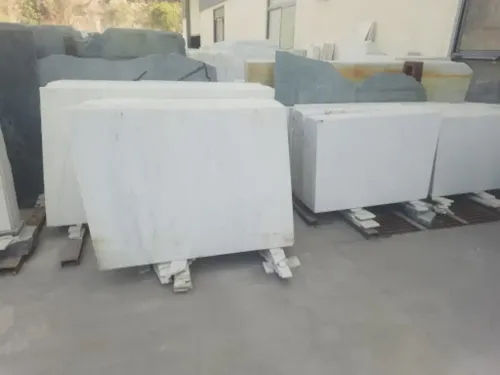
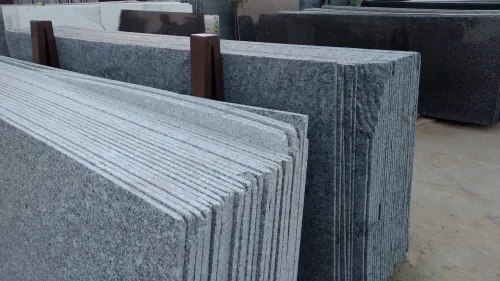
Natural granite varies from one slab to another. Before finalizing your purchase, inspect each slab carefully for:
- Natural grain consistency
- Surface finish
- Uniform thickness
- Edge quality
- Absence of major cracks
- Proper polishing
Minor natural variations are expected, but structural defects should always be avoided.
Compare Available Finishes
Granite is available in multiple finishes depending on the intended application.
Popular choices include:
- Polished finish for luxurious interiors
- Honed finish for a softer appearance
- Leather finish for textured contemporary spaces
- Flamed finish for outdoor applications
Understanding these finishes helps buyers match the material with the design theme of the project.
Consider the Complete Project Requirement
Instead of purchasing slabs one at a time, calculate the total requirement before placing an order.
This helps maintain:
- Consistent color
- Matching grain patterns
- Uniform thickness
- Better installation planning
Builders working on larger projects often prefer sourcing all materials together to maintain visual consistency throughout the property.
Ask About Material Origin
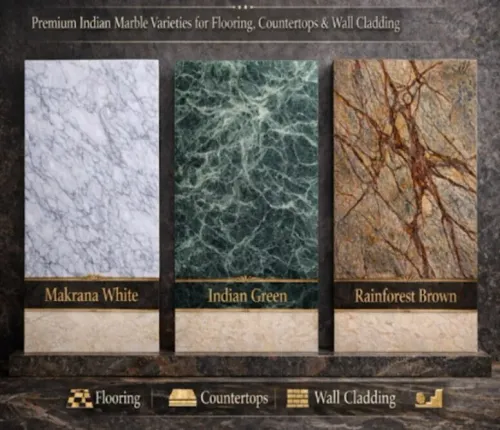
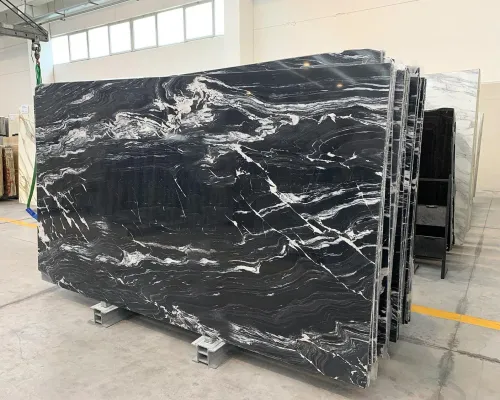
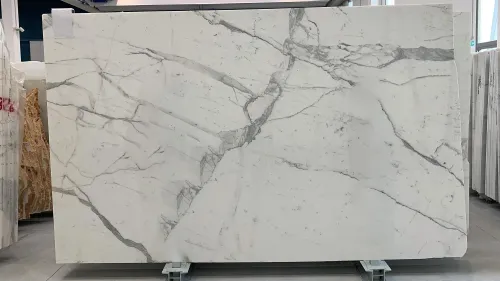
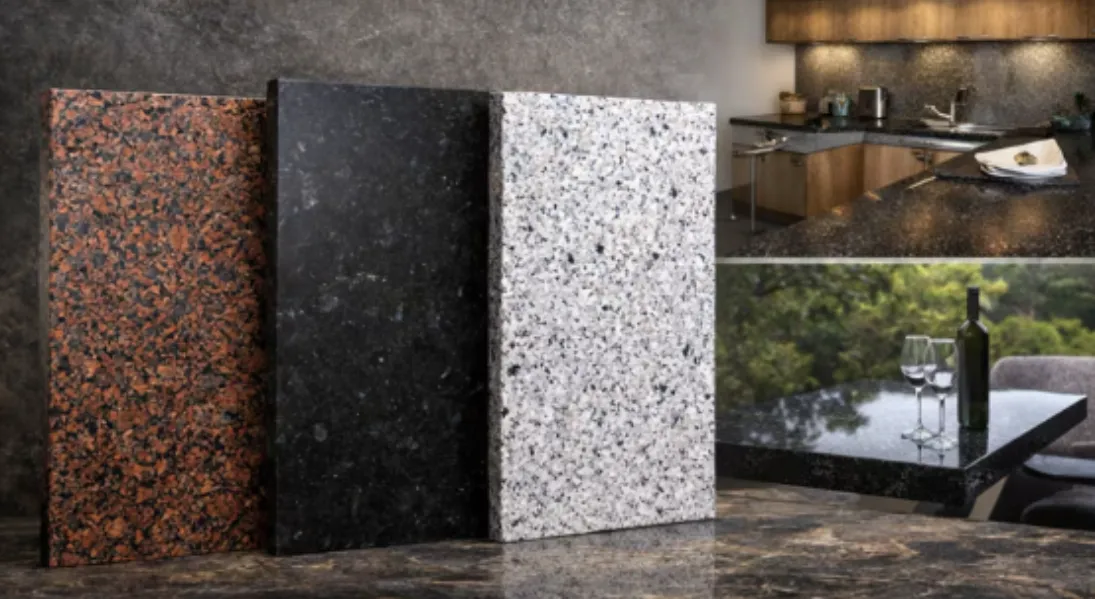
Granite is sourced from different regions across India, and each variety offers distinct colors, textures, and physical characteristics.
Knowing where the stone comes from provides better clarity about:
- Durability
- Maintenance requirements
- Color stability
- Availability for future expansion
This information also helps architects recommend suitable materials for different design styles.
Evaluate the Supplier's Product Range
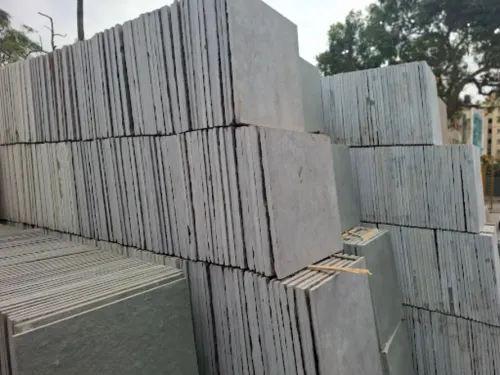
A well-established granite store generally offers more than a limited collection of slabs.
Look for suppliers that provide:
- Multiple granite varieties
- Different slab sizes
- Custom thickness options
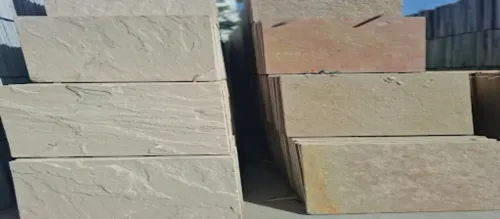
- Matching natural stones
- Professional guidance for selection
A broader inventory makes it easier to compare options in one place instead of visiting multiple suppliers.
Local Availability Makes Project Planning Easier
Homeowners and construction professionals searching for granite in Koramangala often prefer suppliers that understand local residential styles, apartment layouts, and commercial construction requirements. Easy accessibility also simplifies slab inspection before purchase and supports smoother coordination during project execution.
Businesses such as Nakoda Marble maintain a wide selection of natural stones, allowing customers to compare different granite options based on project needs instead of relying only on catalog images.
Think Beyond the Initial Cost
The cheapest granite may not always offer the best value.
Consider factors like:
- Longevity
- Maintenance
- Installation quality
- Replacement availability
- Overall lifecycle cost
Investing in quality granite often reduces repair and replacement expenses over time.
Selecting the right granite store is about more than finding attractive slabs. It involves evaluating material quality, finish options, supplier reliability, and project suitability. Taking time to compare these aspects helps ensure that the finished space remains beautiful, functional, and durable for many years.
Keywords